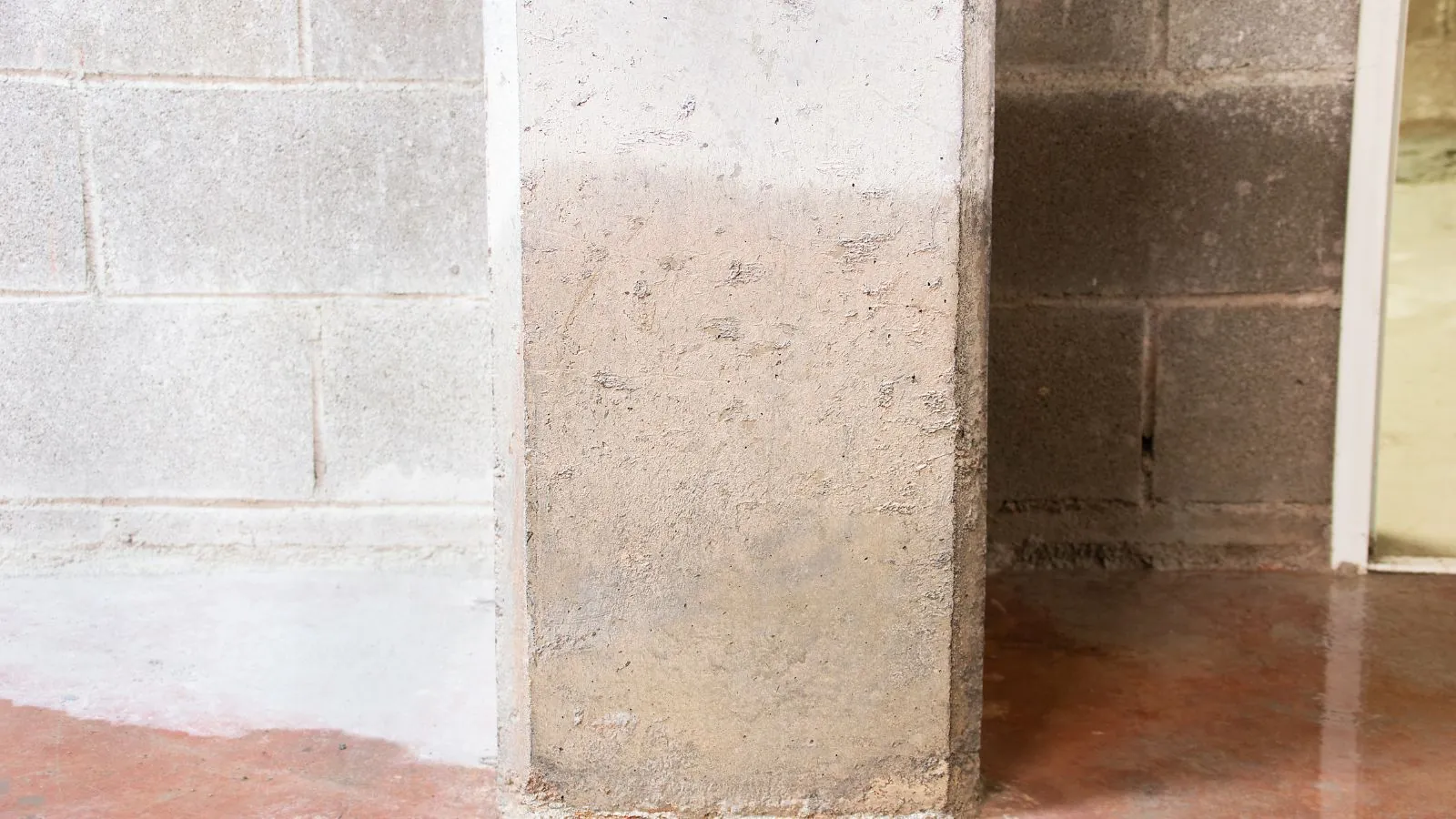
Flood damage cleanup covers water that arrives from outside the plumbing, such as a rising creek, river overflow, groundwater or storm runoff. It is classed as Category 2 or 3 water, which means it carries contamination and needs protective gear, careful disposal and thorough cleaning.
If flood water is in your building, this is an emergency and the dispatch line is open 24/7. Keep everyone out of the water, stay away from electrical equipment, and do not return to a flooded area until it is safe to enter.
Flooding in your building: the first steps
Flood water carries bacteria, chemicals and debris, and it hides electrical hazards.
- Leave any area where water is near outlets, appliances or a panel, and call 911 or the utility for electrical or gas concerns.
- Do not walk or wade through flood water if you can avoid it, and keep children and pets away.
- Photograph the water line on the walls and the damaged contents before anything is moved.
- Call your insurer, then the dispatch line. Ask your insurer whether you hold separate flood coverage, because standard homeowners policies usually exclude flood.
The rivers and creeks behind Bethlehem flooding
The Lehigh River runs along Bethlehem, and Monocacy Creek and Saucon Creek join it inside the city. The National Weather Service sets flood stage at Bethlehem at 16 feet, with moderate flooding at 20 feet and major flooding at 22 feet. The record list from the NWS Middle Atlantic River Forecast Center shows a crest of 23.38 feet on August 19, 1955, during Hurricane Diane, and 19.7 feet on September 18, 2004, after the remnants of Hurricane Ivan.
Smaller creeks matter too. In 2010, flooding along Monocacy Creek put four to five feet of water into historic buildings in the Colonial Industrial Quarter. In 2021, the remnants of Ida sent Saucon Creek into basements near Saucon Park. A property does not need to sit on the Lehigh to flood, and a FEMA flood map lookup for your address tells you whether a mapped hazard area touches it.
What flood cleanup involves
The crew removes standing water and mud, then discards porous items that cannot be cleaned, such as carpet, pad, insulation and soaked drywall. Hard surfaces are cleaned and treated with antimicrobial products, and the structure is dried with air movers and dehumidifiers until meters show normal readings.
Because flood water is contaminated, saving soaked drywall, insulation and carpet is rarely a safe choice. The standard reference is ANSI/IICRC S500, and its categories of water are the basis for deciding what stays. The sewage backup cleanup page covers the added safety steps when sewage is involved.
Flood damage, room by room
| Area | What flood water does | Typical decision |
|---|---|---|
| Basement | Water, silt and sometimes sewage | Extraction first, then follow the basement water damage cleanup steps |
| Ground floor | Wet drywall, flooring and baseboards | Remove porous materials, dry framing and clean surfaces |
| Garage or utility room | Mud, chemicals and stored items soaked | Contents sorted, concrete cleaned and dried |
| Crawl space | Silt, wet insulation and a wet vapor barrier | Debris removed and the space dried, see crawl space water damage |
Flood insurance is separate
The Pennsylvania Insurance Department tells homeowners to ask whether flood and wind damage are covered under their policy, and standard homeowners insurance generally excludes flood. Flood coverage is often a separate policy, such as one through the National Flood Insurance Program. Photographs taken before cleanup, receipts for emergency work and the written scope help any claim, and the claim decision is always your insurer's.
What affects the cost of flood damage cleanup
Flood cleanup is larger and more cautious than a clean water loss, so these factors drive the scope.
- Water category
- Category 2 and 3 water require protective gear and disposal of porous materials.
- Flood depth and duration
- Water that stood for a day reaches higher into walls and soaks contents.
- Silt and debris
- Mud removal can be a large part of the labor.
- Materials that must go
- Insulation, carpet and drywall that cannot be cleaned are removed and counted.
- Drying and rebuild
- Drying time and the repair scope afterward are written separately.
Costs are explained before work starts, and the written scope is the document to compare against your policy. Want your real number? Call (833) 521-1033 and describe what you see.
Frequently asked questions
Do you handle flood cleanup emergencies at night or on weekends in Bethlehem?
Yes. The dispatch line is answered 24/7. Flood calls often come during storms, and you will be told what to avoid while a crew is arranged.
Is flood water safe to clean myself?
Flood water is contaminated, so protective gear and careful disposal matter. Small amounts on a hard floor can be handled with caution, but anything that soaked carpet, drywall or insulation is usually a job for professionals.
How do I know if my address is in a mapped flood hazard area?
Look up the address on the FEMA Flood Map Service Center. The map shows mapped zones, and a flood can still reach a property outside them.
Can soaked drywall and insulation be saved after a flood?
Usually not, because contaminated water soaks into porous material. The crew removes it above the water line and dries the framing.
How long before mold starts after a flood?
Mold needs moisture and time, so quick extraction and drying lower the risk. No one can promise that mold will not develop, and testing and remediation follow the S520 standard.