Structural drying and dehumidification is the process of removing moisture from building materials after water is gone from the surface. Walls, framing, subfloors and concrete absorb water and release it slowly, and that trapped moisture is what leads to warped floors, swollen trim and mold.
This page is for the drying stage, including the term water mitigation, which describes the work to stop further damage and dry the structure. If you still have standing water, start with water extraction.
Still damp after the water is gone?
A floor that feels dry on top can be wet beneath it.
- Look for cupped boards, soft baseboards, a musty smell or a wall that feels cool and damp.
- Do not rely on a household fan alone, since it moves air but does not remove moisture.
- Photograph the damage and note the date the water arrived.
- Call us for moisture mapping, and keep the building at a normal temperature.
The symptom you are probably searching for
People rarely search for "structural drying." They search for a wall that is still damp, a basement that stays musty after a flood, or a floor that has started to cup. Those are all symptoms of moisture that remained in the structure. The trade name for removing it is structural drying, and the equipment is air movers and dehumidifiers guided by a moisture meter.
How the drying is done
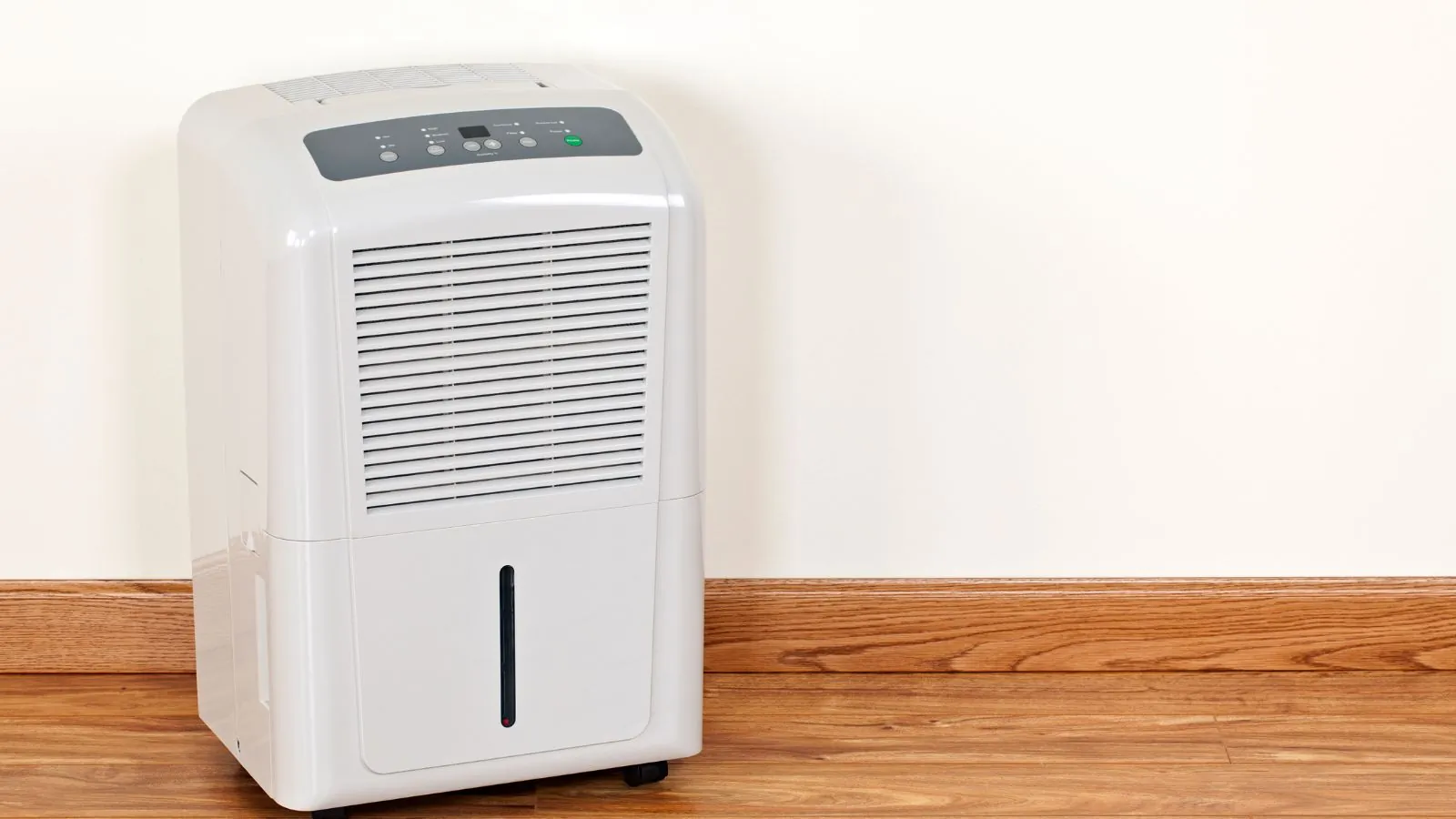
The crew begins with moisture mapping: meters on drywall, wood and concrete, and thermal imaging to show where cool, wet areas lie. Air movers push air across wet surfaces so moisture leaves the material. LGR dehumidifiers pull that moisture out of the air. In some cases a desiccant unit is used in a cold space, and the equipment is placed so that air flows through the wet area, not past it.
Readings are logged on a schedule, and equipment is adjusted or removed as materials reach normal levels. The drying goal is a reading comparable to dry reference material, not a number of days.
What drying cannot save
Some materials do not recover. Soaked insulation, contaminated carpet pad and drywall that has softened are removed. The drying plan identifies those items so that you are not paying to dry something that will be replaced. If the water was Category 3, sewage backup cleanup explains why removal comes first.
Drying equipment at a glance
| Equipment | What it does | When it is used |
|---|---|---|
| Air movers | Move air across wet surfaces | Carpet, floors, walls and cavities |
| LGR dehumidifiers | Remove moisture from the air | Most closed buildings |
| Desiccant dehumidifiers | Dry air in cold or very damp spaces | Cold basements and crawl spaces |
| Moisture meters and thermal camera | Find and track wet areas | Every drying job |
Drying and the climate here
Bethlehem has humid summers and cold winters, and both affect how fast a building dries. In summer, humid outdoor air means dehumidifiers work harder. In winter, a cold building dries slowly, and heat may be needed. Whatever the season, the readings decide when to stop. For a finished floor, the options differ by material, and you can read about them under hardwood floor water damage repair and carpet water damage restoration.
Standards that guide the work
Structural drying is guided by ANSI/IICRC S500, the industry standard for water damage restoration. It covers moisture measurement, drying goals and monitoring, and it is the reference most professional crews use to document that a structure is dry.
What affects the cost of structural drying
Drying is billed by the equipment and the days it runs, so the cost follows the moisture.
- Square footage wet
- More wet area means more equipment.
- Material type
- Concrete and thick wood dry slowly, and carpet dries quickly.
- Water category
- Category 2 and 3 water change what must be removed first.
- Building conditions
- Cold, humid or closed buildings change drying speed.
- Monitoring
- Daily readings determine when the equipment stops.
Costs are explained before work starts, and the written scope is the document to compare against your policy. Want your real number? Call (833) 521-1033 and describe what you see.
Frequently asked questions
How long does structural drying take?
It depends on materials and conditions. Many clean water losses reach normal readings in several days, and thicker materials take longer. The meter decides.
Can I use my own fans and dehumidifier?
For a very small spill, yes. For anything that soaked walls or floors, consumer equipment is rarely enough, and moisture readings are needed.
What does water mitigation mean?
It means the steps taken to stop further damage and dry the structure, such as extraction, removal of unsalvageable materials and drying.
Do you handle drying emergencies at night or on weekends in Bethlehem?
The dispatch line is answered 24/7. Equipment set-up can begin as soon as a crew is arranged.
Will drying prevent mold?
Drying removes the moisture mold needs, but no one can promise that mold will not appear. Quick, complete drying lowers the risk.