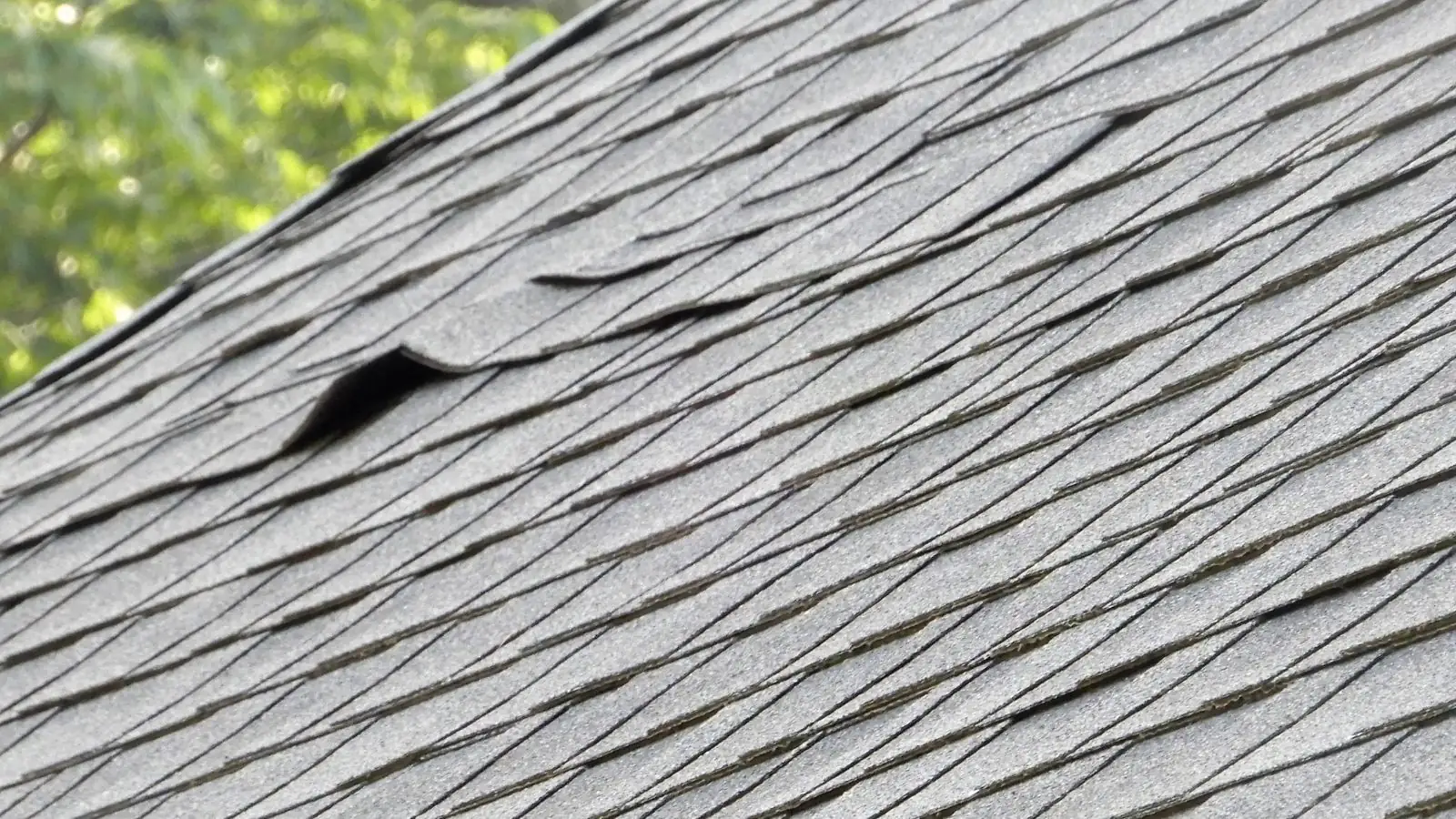
Storm water damage cleanup covers water that enters a building through the envelope during a storm: a lifted roof edge, broken window, failed flashing, blown-off siding or a stormwater system that overflows. It is distinct from rising flood water, which is a flood damage cleanup issue.
If a storm has opened your building, it is an emergency, and our line is open 24/7. Stay clear of downed lines and unstable structures, move belongings away from the opening and photograph the damage.
Storm has opened the building: first steps
Safety comes before cleanup.
- Stay away from downed power lines and call the utility or 911.
- Do not enter rooms with sagging ceilings or standing water near electrical equipment.
- Cover openings with tarps only if you can do so safely from the ground or inside.
- Photograph the opening and the wet areas, then call the dispatch line and your insurer.
How storm water gets in
Wind-driven rain finds gaps that ordinary rain does not: a loose shingle, a cracked window seal, a chimney flashing or a vent boot. It then travels along framing and shows up as ceiling stains, wet insulation or a damp wall far from the opening.
We restore what the water soaked. A roofer or contractor makes the building weathertight, and a temporary tarp may be part of that. The drying work follows the water and the insulation, with moisture meters and thermal imaging.
Storms and flooding in the Lehigh Valley
The Lehigh Valley has had heavy storm rainfall in recent years. News reports of the remnants of Ida in 2021 described roads closed, water rescues and flooded basements across the Valley. Local reporting said Tropical Storm Isaias in 2020 brought as much as seven inches of rain in a few hours to the Saucon Valley around Hellertown. Storms like these test roofs, gutters and sump pumps all at once.
The line between storm water and flood water matters for cleanup and for insurance. Water that came through the roof is storm damage. Water that rose from the ground is flood damage. Many policies treat them differently, so describe the path of the water to your insurer.
Storm damage steps
- Make the building safe and weathertight.
- Extract standing water and remove wet insulation and drywall that cannot be dried.
- Dry the structure with air movers and dehumidifiers.
- Document the damage and the work for your insurer.
Storm entry points and what gets wet
| Entry point | Water travels to | Related page |
|---|---|---|
| Roof edge or shingles | Attic insulation and ceilings | Ceiling water damage repair |
| Window or door | Walls, trim and floors | Wall and drywall repair |
| Gutter or downspout overflow | Walls and foundation edges | Basement water damage cleanup |
| Basement window well | Basement floor and walls | Extraction and drying |
Standards that guide the work
Storm water often counts as heavily contaminated under ANSI/IICRC S500, the industry standard for water damage restoration. The CDC also publishes guidance on cleaning up after a flood, including protective gear and what to do with items that touched floodwater.
What affects the cost of storm water damage cleanup
Storm losses often involve more than one room, and each is scoped.
- Number of areas
- Water that traveled across several rooms adds scope.
- Insulation and ceilings
- Wet insulation and drywall are removed and counted.
- Emergency protection
- Temporary tarping or board-up is separate from drying.
- Flooring and finishes
- Different materials dry differently.
- Drying days
- Equipment follows readings.
Costs are explained before work starts, and the written scope is the document to compare against your policy. Want your real number? Call (833) 521-1033 and describe what you see.
Frequently asked questions
Do you handle storm damage emergencies at night or on weekends in Bethlehem?
Yes. The dispatch line is answered 24/7, including during and after storms. Call and describe the water.
Do you repair roofs?
No. A roofer repairs the roof. We extract and dry the water damage.
Is storm damage the same as flood damage?
No. Storm damage is water coming through the building envelope. Flood damage is rising water from outside.
Will insurance cover storm water damage?
Wind and rain damage is often covered, and flood is usually excluded. Check your policy.
Should I tarp the roof myself?
Only if you can do so safely from the ground or inside. Otherwise, wait for a professional.