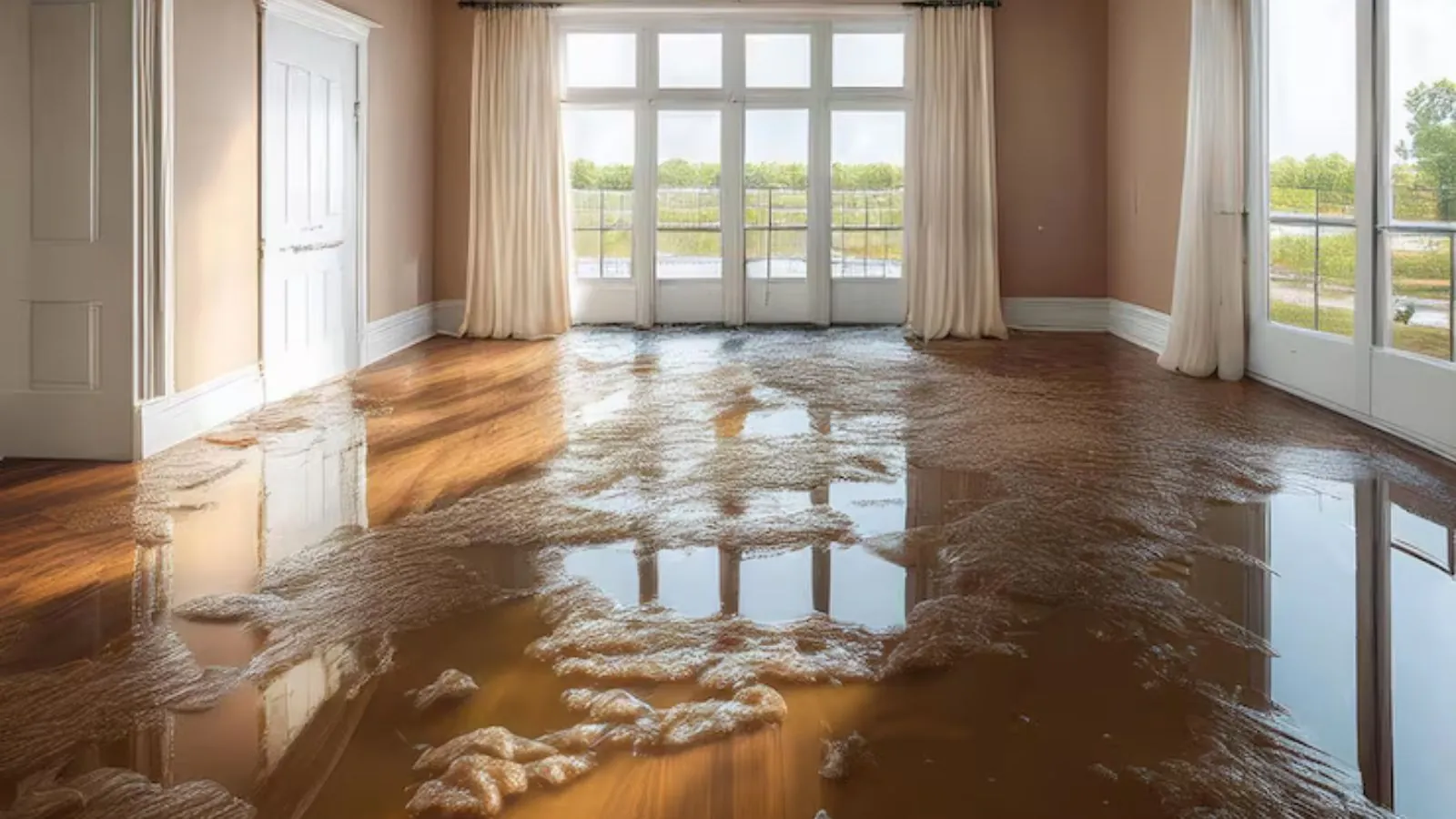
Water damage does not make a house unsellable, but it does change what you must tell a buyer. Pennsylvania has a seller disclosure law, and it expects you to be honest about known material defects. Good records of drying and repair make the conversation easier.
This guide is general information, not legal advice. For your own sale, talk to a real estate attorney or your agent.
What the law asks
Pennsylvania's Real Estate Seller Disclosure Law requires a seller to disclose material defects with the property that are known to the seller. The disclosure goes on a statement that must be delivered before the seller and buyer sign the transfer agreement.
The form asks about basements and crawl spaces, water and sewage systems, the roof and drainage, among other items. Water problems you know about belong on it.
Document what happened and what was done
- The date and cause of the water event.
- Photos taken before cleanup.
- Moisture readings and the scope from the drying company.
- Invoices and receipts for repairs.
- Permits and inspection records for rebuild work.
- Any insurance claim and its outcome, kept in your own files.
Fixed is different from ignored
A buyer's concern is usually whether the cause was fixed and whether the structure is dry. A written record of drying, with readings that reached normal levels, answers part of that. A plumber's invoice for the repair answers the rest.
If the damage is recent and drying is not finished, finish it first. Our structural drying page explains how readings show it is done.
Basements and flood history
A past basement water issue is a common item on the form. If your house had water from a sump failure or a storm, say so, and describe what was done. See basement water damage cleanup for what that work involves.
Pennsylvania also requires a flood insurance notice once the Insurance Department posts flood information, stating that a standard homeowner's policy typically does not cover flood damage. Buyers in low-lying areas often ask about flood coverage, and flood damage cleanup explains what flood work involves.
Talk to the right professionals
Your agent and attorney decide what to disclose and how. A home inspector can verify that the repaired area is dry. A restoration company can supply readings and a scope, but we do not give legal advice.
If you are rebuilding before sale, check permit needs with the local office first.
What buyers and inspectors look for
Buyers and their inspectors look for signs that water is still a problem. Stains on ceilings or walls, a musty smell, efflorescence on basement walls and soft flooring all raise questions. A fresh coat of paint over a stain often raises more.
Inspectors may use moisture meters and thermal cameras, the same kind of tools a restoration crew uses. If your records show readings that returned to normal, the inspector's findings are more likely to match.
Buyers also ask whether the cause was fixed and whether the work was done by qualified people. Invoices and permits answer those questions. Keep them in a folder you can hand over.
Be honest and consistent. What you tell the buyer, what you put on the form and what your records show should match.
Timing the repair and the listing
If you plan to list soon, decide whether to finish repairs first or sell as is. Finished repairs with documentation often make a sale smoother. Selling as is can work, but buyers may ask for a lower price or more inspections.
Ask your agent how local buyers react to past water issues. Whatever you choose, keep your records organized and answer questions plainly.
Common questions buyers ask
Buyers often ask when the water event happened, what caused it and who did the repair. They ask whether it happened more than once and whether an insurance claim was filed. They also ask whether the area has been dry since.
Have short, honest answers ready, and have the documents to back them up. Your agent can advise on how to share them.
What to do first
- Stay out of any room where water is touching outlets, cords or appliances, and shut off power to that area at the breaker only if the panel is dry and you can reach it without standing in water.
- If it is safe, stop the source by closing the nearest shutoff valve or the main valve.
- Keep children and pets away from standing water, since it may carry contamination.
- Take photos before moving anything, then call for help.
Water still spreading? The dispatch line is answered around the clock.
Call (833) 521-1033Bethlehem note: the Pennsylvania seller disclosure law
Under the Pennsylvania Consolidated Statutes, Title 68, Chapter 73, section 7303 requires disclosure of material defects known to the seller. Section 7304 sets out items on the statement, including basements and crawl spaces, water and sewage systems, and land, including soils, drainage and flood risk indicators. Section 7311 allows damage actions within two years after final settlement.
Some transfers are excluded, such as those by fiduciaries of estates, so not every sale uses the form. Confirm how the law applies to your sale with an attorney.
Frequently asked questions
Do I have to disclose past water damage in Pennsylvania?
The law requires disclosure of known material defects. Ask your attorney or agent how it applies to your situation.
Should I repair before selling?
Many sellers do, because documented repairs reassure buyers. It depends on your situation.
Can a restoration company write the disclosure?
No. Your agent or attorney handles it. We provide readings and scopes that you can share.
Does dried drywall count as fixed?
It depends. Dry readings show the structure is dry. The rebuild and cause repair complete the fix.
Are flood issues treated differently?
The form asks about drainage and flood risk indicators, and Pennsylvania has a flood insurance notice.