A water bill that doubles with no change in your habits is worth a closer look. The cause may be a leak you cannot see, a toilet that runs, an estimated reading that is now being corrected, or a change in who lives in the house.
This guide walks through the checks in the order that usually finds the cause quickest, and explains what the City of Bethlehem says about adjustments.
Check the bill itself first
Look at whether the reading was actual or estimated. When a meter cannot be read, the city bases the bill on past use, and a later actual reading can raise or lower the next bill to correct the difference. Also check the billing period, since bills are generated quarterly or monthly.
Changes in occupancy matter. The city's billing page gives an average of about 6,000 gallons per person per quarter as a reference, which helps you see whether your use is plausible.
Test for a leak
- Turn off all water use in the house.
- Read the meter, wait 30 minutes with no use, and read again.
- If the number moved, water is escaping.
- Check toilets with food coloring in the tank, without flushing.
- Look for stains, soft floors or a musty smell.
Where hidden water goes
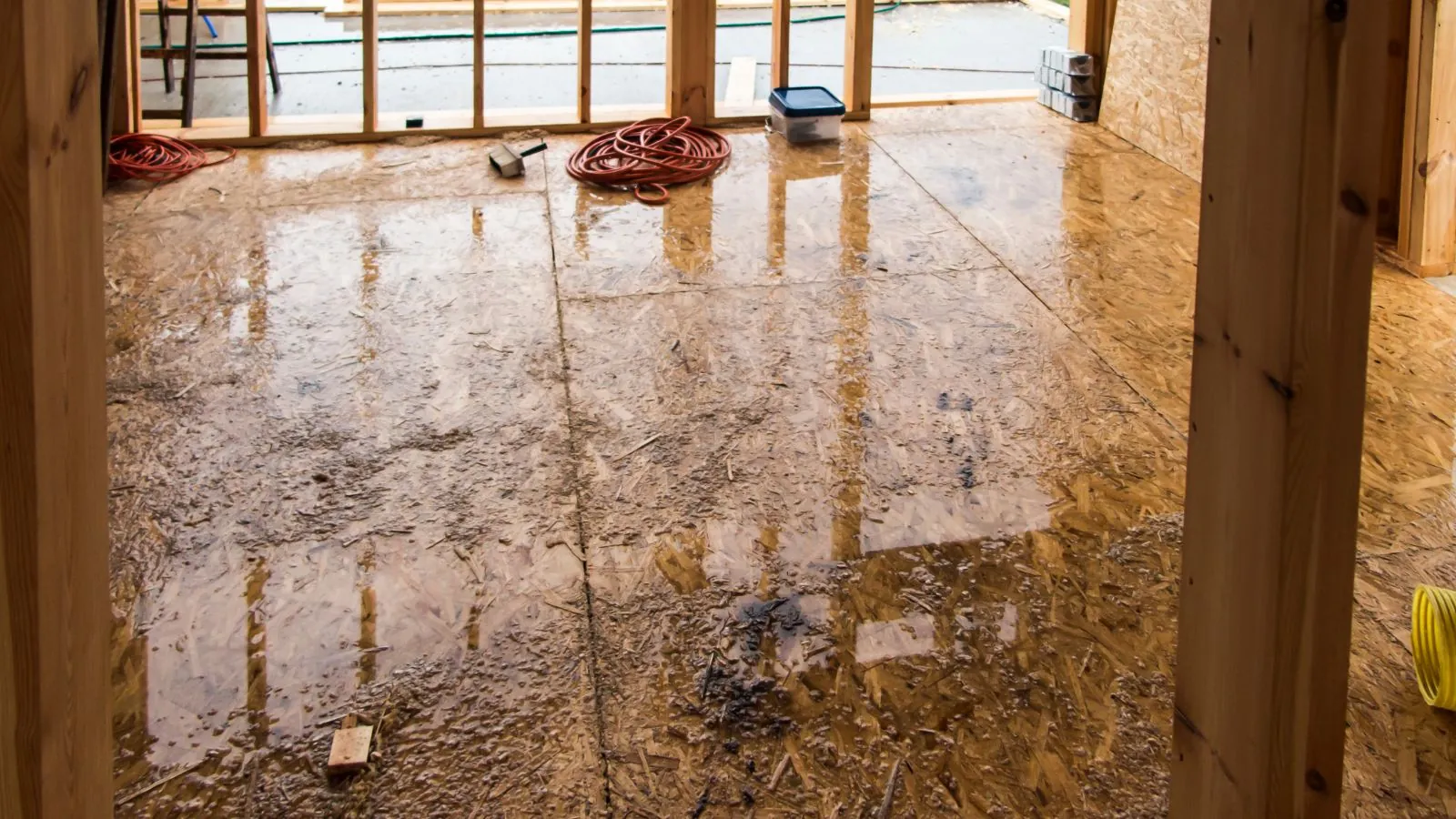
A leak that you cannot see often soaks drywall, insulation or a subfloor. That is damage as well as a bill. Our slab leak water damage and wall and drywall water damage repair pages explain what happens after the plumber stops the leak.
If a toilet or a pipe was the cause, a plumber fixes it, and we dry what the water reached.
After the leak is fixed
Keep the plumber's invoice and note the repair date. Those records matter if you ask the city about an adjustment. Keep photos too.
If the leak caused damage, ask for moisture readings so you know whether the structure is dry. Structural drying describes how that is measured.
Ask about an adjustment promptly
The city has an ordinance that allows an administrative adjustment under certain conditions, and it has a deadline. See the local note below. Call Utility Billing before the deadline passes, since waiting can cost you the option.
This guide is general information. The ordinance text and the city decide your case.
Everyday reasons a bill rises without a leak
Not every spike is a leak. Houseguests, a new baby, a filled pool or a hot summer of watering the lawn can raise use. A new appliance, a changed habit or a longer billing period can too.
Compare the usage number, not just the dollar amount, across several bills. The usage figure shows whether you really used more water, or whether rates or fees changed.
If the usage is up and you cannot explain it, run the meter test. A moving meter with everything off is a strong sign of a leak. If the meter is still, the bill may reflect an estimate or a change you can verify with the city.
Keep records for a request
Save the bill with the jump, the previous bills and any notes about what you found. Save the plumber's invoice and the date of the repair. Take photos of any visible damage.
If you ask for an adjustment, include these records. The city will want the repair date, the type of repair and written proof, so having them ready saves time.
When to call the city and when to call a plumber
Call the city when you suspect a meter problem, a misread or an estimated reading. Call a plumber when the meter moves with everything off, or when you find a leak inside the house. If you are unsure which it is, start with the meter test and then decide.
Sources and standards
The EPA WaterSense program suggests a simple meter test to find hidden leaks. Turn off every fixture, read the meter, wait, and read it again. A change means water is moving somewhere.
Water still spreading? The dispatch line is answered around the clock.
Call (833) 521-1033Bethlehem note: the city's adjustment ordinance
Bethlehem's codified ordinance lets the Water and Sewer Resources Department administratively adjust the water or sewer charge for a billing period in some cases, including a leak. The customer must request the adjustment within 30 calendar days of the bill being issued, and an adjustment is limited to one per property every three years.
The applicant must give the repair date and type and written proof, such as a signed letter from the repair company, and the account must be current.
The ordinance also says water lost to third parties, such as theft, vandalism or construction damage, is not eligible.
For a water-only adjustment, the ordinance deducts 50 percent of the additional usage above the average of the previous four billing cycles. For a qualifying underground leak repaired by a licensed plumber, it deducts all excess sewer usage as well. The full bill is due on time while a request is pending. Utility Billing Customer Service is listed at (610) 865-7070, and the ordinance text should be checked for current terms.
Frequently asked questions
Why did my Bethlehem water bill jump?
Common causes are a leak, a running toilet, an estimated reading being corrected or more people in the house.
How long do I have to ask for an adjustment?
The ordinance says within 30 calendar days of the bill being issued. Check the current text.
Can I get more than one adjustment?
The ordinance limits adjustments to one per property every three years.
Do you fix leaking pipes?
No. A plumber does that. We dry the damage the water caused.
Will the city give me a credit for a toilet leak?
It depends on the ordinance terms. Call Utility Billing at (610) 865-7070.