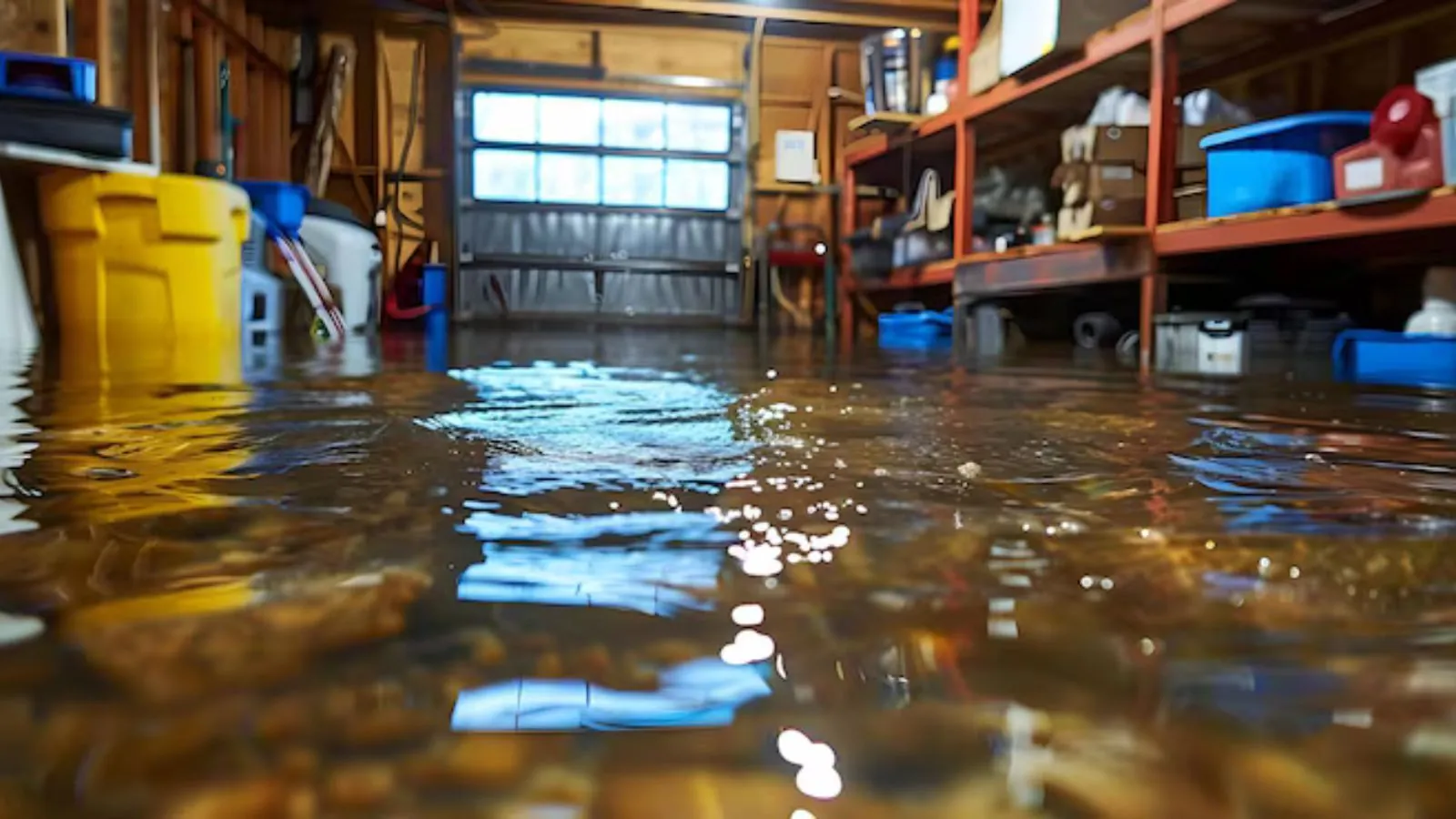
Water and electricity are a dangerous mix, and the main risk is to you, not to the device. A wet outlet, power strip or appliance can shock or start a fire. Safety comes first, before the question of saving the equipment.
This page covers what to do with wet electronics and appliances, and when to call an electrician.
Safety first
- Do not enter a room where water reaches outlets, appliances or a panel.
- Never touch a breaker while standing in water.
- If power must be cut and you cannot do it safely, call the utility or 911.
- Unplug devices only if the plug and the floor are dry.
Do not turn wet electronics on to test them
The CDC says that all electrical equipment and appliances must be completely dry before they are returned to service. If there is any question, have a certified electrician check them. Powering on a wet device can short it and destroy data.
Even if the surface seems dry, moisture can sit inside a case. Give the device time and a professional opinion.
Phones, laptops and small devices
Power the device off if it is not already, and remove the battery or case if you can do so safely. Wipe off surface water and let it air dry in a dry, ventilated place. Do not use a hair dryer or an oven.
If the device holds important data, take it to a data recovery or repair professional as soon as possible, and do not try to charge it.
Large appliances, outlets and wiring
Refrigerators, washers, furnaces and water heaters that were in water should be checked by a qualified technician before being used. Outlets and wiring that were wet need an electrician's inspection too. Wet insulation around wiring is a separate drying issue.
Our appliance leak water damage page explains the water side, and water heater leak cleanup covers a failed tank.
Drying the building around the electronics
Even after devices are removed, the room has to be dried. Moisture in walls can reach wiring and outlet boxes. A crew uses meters to find where it is and air movers and dehumidifiers to remove it. Structural drying describes that work.
Do not close up a wall that has wiring in it until the readings are normal and an electrician is satisfied.
Data, backups and power strips
The data on a device is often worth more than the device. If a computer or phone got wet, do not charge it, and take it to a repair or data recovery professional soon. The longer moisture sits inside, the more corrosion can set in.
Back up important files regularly to a drive or cloud service kept away from the device. A backup turns a water event into an inconvenience instead of a loss.
Replace power strips and extension cords that got wet. They can fail later even when they seem to work. Surge protectors that were in water are not safe to reuse.
Raise electronics off the floor in rooms prone to water, such as a basement office. A shelf a few inches high can keep a minor leak from becoming a loss.
When to replace instead of repair
Some items cost less to replace than to repair, and some should always be replaced. Power strips, extension cords and small space heaters that were wet are not worth the risk. Smoke detectors and carbon monoxide alarms that got wet should be tested and replaced if they misbehave.
For major appliances, ask a technician for an honest opinion. A refrigerator that sat in water may work for a while and fail later. Keep the technician's notes for your insurer.
Using your insurance inventory
List each damaged electronic item with its make, model, age and approximate cost. Photograph the item and the label on the back if you can read it. Keep receipts if you have them.
Your insurer will ask for this list, and building it while you remember is easier than rebuilding it later. Do not discard the item until your insurer says you may.
Sources and standards
The CDC advises against using electrical equipment that has been in floodwater until a qualified person has checked it. That guidance applies to appliances, power strips and anything plugged into a wet outlet.
Water still spreading? The dispatch line is answered around the clock.
Call (833) 521-1033Bethlehem note: licensed electrical work in the city
The City of Bethlehem's Code Enforcement page states that electrical contractors performing work within the city must have a valid Master Electrician's License. It also says electric and plumbing permit applications are reviewed by a third-party state-certified plan reviewer.
For questions about whether a repair needs a permit, the page lists the Code Enforcement Office at 610-865-7091 and the City at 610-865-7000.
Frequently asked questions
Can I dry a wet TV and turn it on?
Do not turn it on until it is completely dry and checked. The CDC advises electrical equipment be completely dry before service.
What if the outlets got wet?
Do not use them. Have an electrician inspect them.
Should I unplug everything?
Only if you can do it safely with dry hands and a dry floor. Otherwise call the utility or 911.
Will rice save a wet phone?
It is not reliable. Power it off and take it to a repair professional if it matters.
Who handles electrical repairs in Bethlehem?
A licensed electrician. The city requires a Master Electrician's License for electrical contractors in Bethlehem.