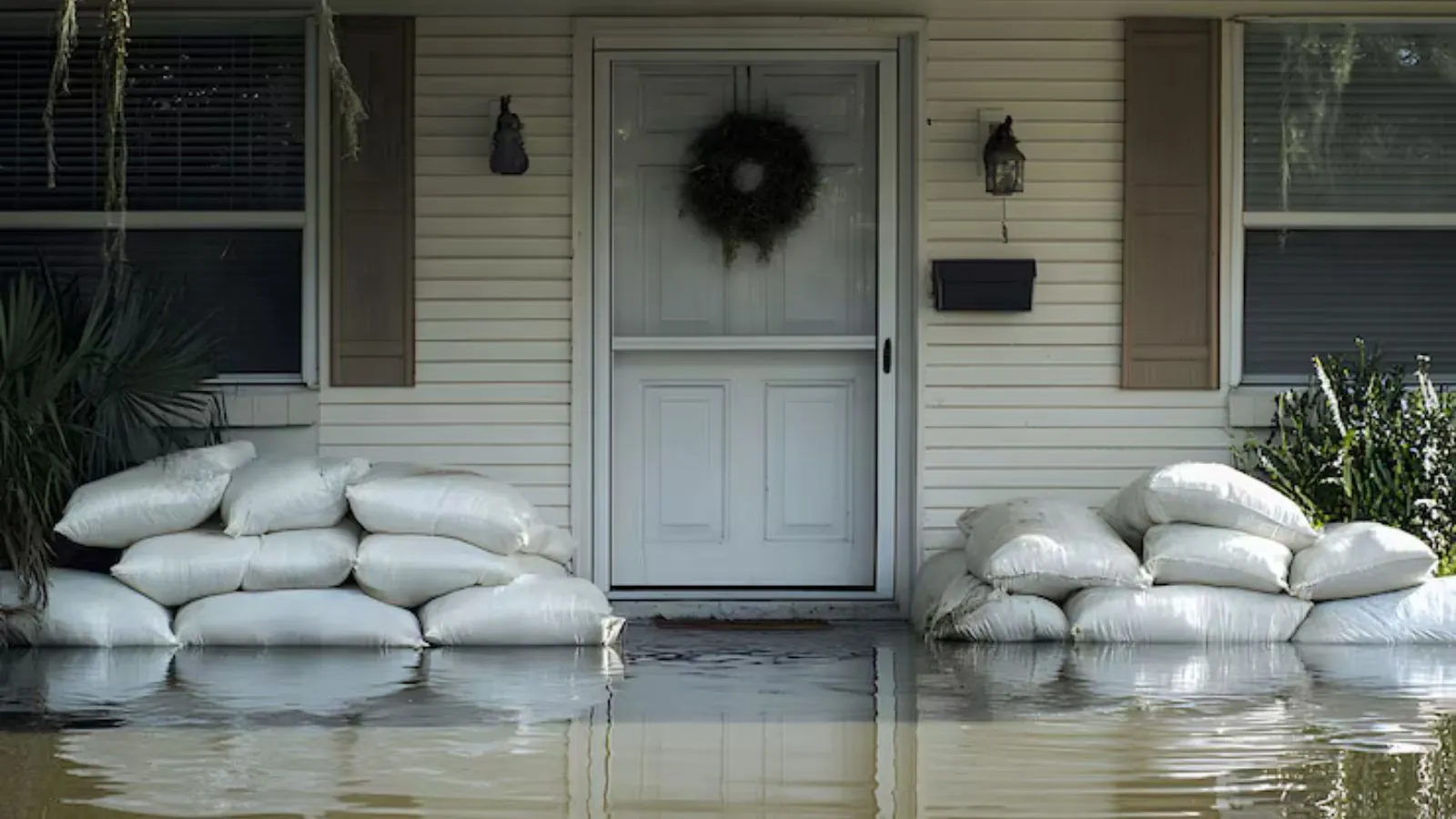
Water damage in a rental raises questions that owners do not face. Who calls for help, who pays and what happens to your belongings and your lease? The answers depend on the lease, the cause and Pennsylvania law.
This guide is general information and not legal advice. If money or your housing is at stake, speak with a lawyer or a legal aid office.
First steps for a tenant
- If it is safe, stop the water by closing the fixture valve.
- Keep away from water that touches outlets or appliances.
- Tell your landlord or manager right away, in writing, such as by text or email.
- Photograph the damage and your belongings before moving them.
- Keep a log of who you contacted and when.
What a landlord should do
The landlord should stop the source, have a plumber repair it and arrange for water extraction and drying. A written scope that covers every affected unit helps owners, tenants and insurers see the whole picture. Water can travel between units, so a leak in one apartment may affect others.
Our commercial water damage restoration page describes how multi-unit losses are scoped, and ceiling water damage repair covers a leak from above.
Your belongings are usually not covered by the landlord's policy
A landlord's insurance typically covers the building, not a tenant's belongings. Renters insurance is the policy that covers your things. If you have it, call your insurer and ask what is covered.
Photograph and list damaged items before you discard them. Contaminated water means many items cannot be saved, as explained on carpet water damage restoration for floors.
Habitability and repairs
Pennsylvania treats every residential lease as carrying an implied warranty of habitability. The landlord must keep the unit fit to live in, and the duty cannot be waived by a lease clause. If a defect affects your ability to live there, you must tell the landlord and give a reasonable opportunity to fix it.
Remedies exist if the landlord does not act, but using the wrong one can risk eviction. Get legal advice before you withhold rent or deduct repair costs.
Document everything
Keep copies of messages, photos, invoices and any written scope. If a restoration company visits, ask for a copy of the readings and scope. These records protect both sides.
If the unit is not livable during drying, ask the landlord in writing what arrangements will be made.
A quick checklist for landlords
Prompt, documented action protects the building and the relationship with the tenant. A leak handled well can build trust, and one ignored can become a dispute.
- Stop the source or call a plumber right away.
- Notify tenants in writing and tell them what to expect.
- Arrange extraction and drying quickly, since delay increases damage.
- Check units above and below for water, and photograph each.
- Keep the scope, readings and invoices together.
- Tell your insurer promptly and ask what documents they need.
Talking with your landlord
Be calm, specific and written. Describe what you found, when and where. Attach photos. Ask what the landlord plans to do and by when. Keep a copy of everything.
If you do not get a response, follow up in writing and keep a log of your efforts. If you feel unsafe, say so clearly and consider seeking local legal aid.
When water affects several units
In a building with several apartments, water often travels. A leak in a top unit can reach the ceiling below and the walls beside it. Each affected tenant should tell the landlord in writing, and the landlord should check every unit.
A single written scope that covers all the affected units is easier for owners, tenants and insurers to follow than several separate ones. It shows where the water went and what was done in each place.
Sources and standards
Pennsylvania landlord and tenant duties come from state law and from your lease. For specific questions, the state attorney general's consumer office and local legal aid publish plain language guides.
Water still spreading? The dispatch line is answered around the clock.
Call (833) 521-1033Bethlehem note: what the Pennsylvania Attorney General says
The Pennsylvania Attorney General's consumer guide for tenants and landlords says every lease includes an implied warranty of habitability and that a landlord has a legal duty to fix serious defects affecting safety or the ability to live in the unit. It lists a leaking roof among examples of uninhabitable conditions, and says the duty cannot be waived by any lease provision.
It also lists tenant remedies such as making a repair and deducting the cost, withholding rent until the defect is fixed, terminating the lease or taking legal action. It warns that improperly invoking a remedy could lead to eviction and advises getting legal advice before acting.
Frequently asked questions
Who calls for water damage service in a rental?
Usually the landlord arranges it. As a tenant, tell the landlord in writing first.
Does the landlord's insurance cover my belongings?
Typically not. Renters insurance covers a tenant's belongings.
Can I withhold rent in Pennsylvania?
It is a possible remedy but it carries eviction risk if done wrongly. Get legal advice first.
What if the unit is unlivable?
Tell the landlord in writing and ask about arrangements. Seek legal advice if needed.
Can you work in a multi-unit building?
Yes. We map the damage across units and write one scope.